



Buying a property is one of the most important financial decisions you will make. Whether it is a residential home, an apartment, or a commercial space, evaluating the property correctly is essential to avoid costly mistakes and ensure long-term value.
Many buyers focus only on price and location. However, a smart decision comes from analyzing multiple factors together- structure, legal clarity, usability, and future potential.
This guide provides a complete checklist to help you evaluate any property with confidence.
Why Property Evaluation is Critical
A property may look perfect on the surface, but still carry hidden risks. Proper evaluation helps you:
- Avoid legal complications
- Identify structural or maintenance issues
- Understand true market value
- Ensure long-term investment potential
A well-evaluated property protects both your finances and peace of mind.


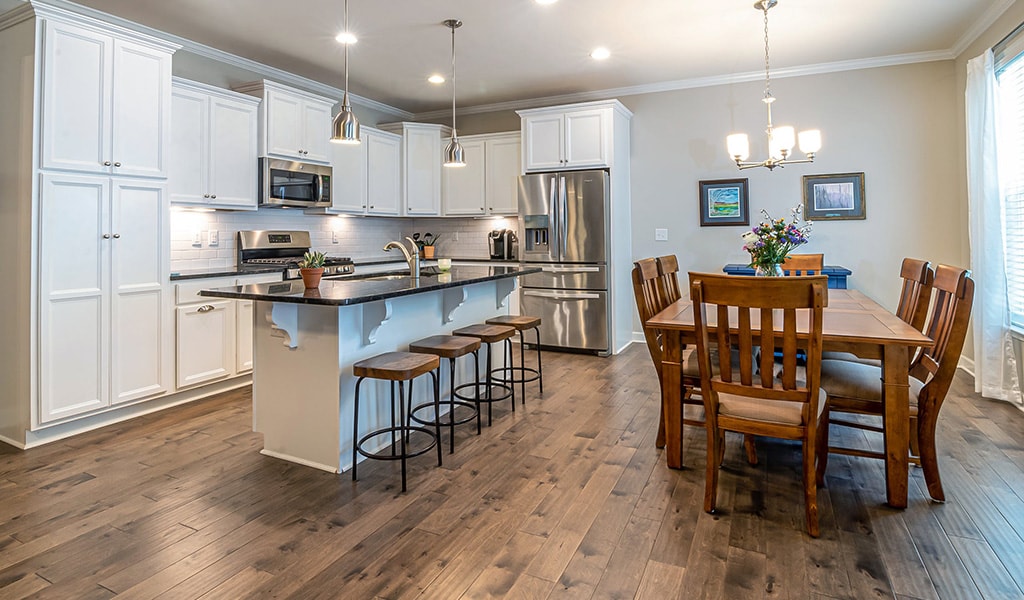
Step 1: Location Analysis
Location is the foundation of any real estate decision. It directly impacts lifestyle, demand, and resale value.
What to Check:
- Proximity to workplaces, schools, and hospitals
- Connectivity to public transport and major roads
- Neighborhood safety and infrastructure
- Future development plans in the area
Cities like Los Angeles, New York, and San Francisco each offer different advantages depending on your purpose; living or investment.
Step 2: Property Type Suitability
Not every property type fits every buyer. Evaluate whether the property aligns with your needs.
Ask Yourself:
- Is this for living, renting, or business use?
- Does the property type match your long-term goals?
For example:
- Apartments suit urban lifestyles
- Villas offer space and privacy
- Offices and stores serve business and income purposes
Choosing the right type ensures better usability and returns.
Step 3: Structural Condition and Quality
The physical condition of the property determines maintenance costs and safety.
Key Checks:
- Walls, ceilings, and flooring conditions
- Plumbing and electrical systems
- Ventilation and natural lighting
- Signs of leakage or structural damage
Even newly built properties should be inspected thoroughly before purchase.


Step 4: Layout and Space Utilization
A well-designed layout improves functionality and comfort.
Evaluate:
- Room sizes and arrangement
- Storage space
- Floor plan efficiency
- Accessibility within the property
Properties with better layouts tend to have higher resale value and usability.
Step 5: Amenities and Features
Features enhance both lifestyle and property value. In structured listings, features are a key section that defines the property’s appeal.
Common Features to Consider:
- Parking availability
- Security systems
- Elevators and accessibility
- Recreational facilities
For commercial properties, additional features like visibility and accessibility are critical.
Step 6: Legal Verification
Legal clarity is non-negotiable in property buying.
Essential Documents:
- Ownership title
- Property approvals and permits
- Tax records
- Sale agreement
Ensuring legal compliance protects you from future disputes and financial loss.
Step 7: Pricing and Market Comparison
Understanding whether a property is fairly priced is crucial.
How to Evaluate:
- Compare similar properties in the same area
- Analyze price per square foot
- Consider location and property type
Even in demo listings, pricing is designed to reflect approximate market values based on location and category. In real scenarios, this comparison becomes even more critical.
Step 8: Rental and Resale Potential
A property should not only meet current needs but also offer future value.
Consider:
- Rental demand in the area
- Expected appreciation over time
- Ease of resale
Properties in high-demand cities or prime locations typically perform better in both rental and resale markets.
Step 9: Builder or Agency Reputation
The credibility of the developer or agency plays a significant role.
Check:
- Past projects and track record
- Customer reviews or feedback
- Transparency in communication
In this project, properties are managed across multiple agencies and agents to simulate a real-world ecosystem, emphasizing the importance of reliable representation.
Step 10: Hidden Costs and Maintenance
The purchase price is not the only expense involved.
Additional Costs Include:
- Maintenance charges
- Property taxes
- Utility costs
- Renovation or repair expenses
- Understanding the full cost ensures better financial planning.
Step 11: Site Visit and Practical Inspection
A physical visit provides insights that online listings cannot.
During the Visit:
- Check actual condition vs listing description
- Observe surroundings and neighborhood
- Assess noise levels and the environment
Never rely solely on images or descriptions when making a decision.
Common Mistakes to Avoid
Many buyers overlook critical aspects during evaluation.
Avoid:
- Skipping legal verification
- Ignoring long-term costs
- Rushing the decision
- Relying only on online listings
A careful approach prevents future regret.
Quick Property Evaluation Checklist
Before finalizing any property, ensure:
- Location aligns with your needs
- Property type matches your goals
- Structure and condition are sound
- Legal documents are verified
- Price is justified
- Future value is promising
This checklist acts as your final filter before making a decision.
Final Thoughts
Evaluating a property is not a single-step process. It requires a structured approach that considers location, quality, legality, and financial viability together.
A well-evaluated property becomes more than just a purchase—it becomes a reliable asset for the future. The difference between a good deal and a great investment often lies in how thoroughly you evaluate before you buy.